When it comes to making a statement in fashion, few details are as mesmerizing as floral applique. From 3D textured patterns to delicately embroidered motifs, floral applique dresses have an unmistakable charm that elevates any wardrobe. But what truly makes these dresses unique goes beyond the intricate floral designs—it’s the fabric beneath the artistry that shapes their texture, comfort, and drape.
Enter Fleurique, a style enthusiast and connoisseur of elegance, who believes that understanding the differences between cotton vs linen vs silk applique dresses is key to selecting the perfect piece. Whether you’re dressing for a garden party, a casual brunch, or an elegant evening soiree, the fabric you choose can transform the same applique into an entirely different experience.
In this guide, we’ll explore the nuances of each fabric type—cotton, linen, and silk—delving into texture, comfort, styling, occasion suitability, and care. Along the way, we’ll highlight why these materials make floral applique dresses not just garments, but wearable art.
What Makes Floral Applique Dresses Unique?
Floral applique dresses stand out because of the combination of handcrafted embellishments and thoughtful fabric choice. Unlike printed floral dresses, applique adds depth, texture, and a sense of dimension. The 3D floral applique details, whether layered or embroidered, bring each piece to life, turning a simple dress into a statement of artistry.
Fabric’s role cannot be overstated. The base material influences the dress’s drape, how the appliques sit, and even the garment’s comfort. While cotton, linen, and silk each offer a canvas for floral artistry, they bring different textures, weights, and experiences for the wearer. Some of the most common textures in floral applique dresses include:
- Embroidery and raised motifs that make flowers pop.
- Layered fabric techniques that create dimension and shadow.
- Delicate applique patterns that showcase meticulous craftsmanship.
The result? Dresses that are versatile across occasions—from casual brunches to luxurious evening affairs—and that appeal to a wide range of fashion sensibilities.
Cotton Applique Dresses
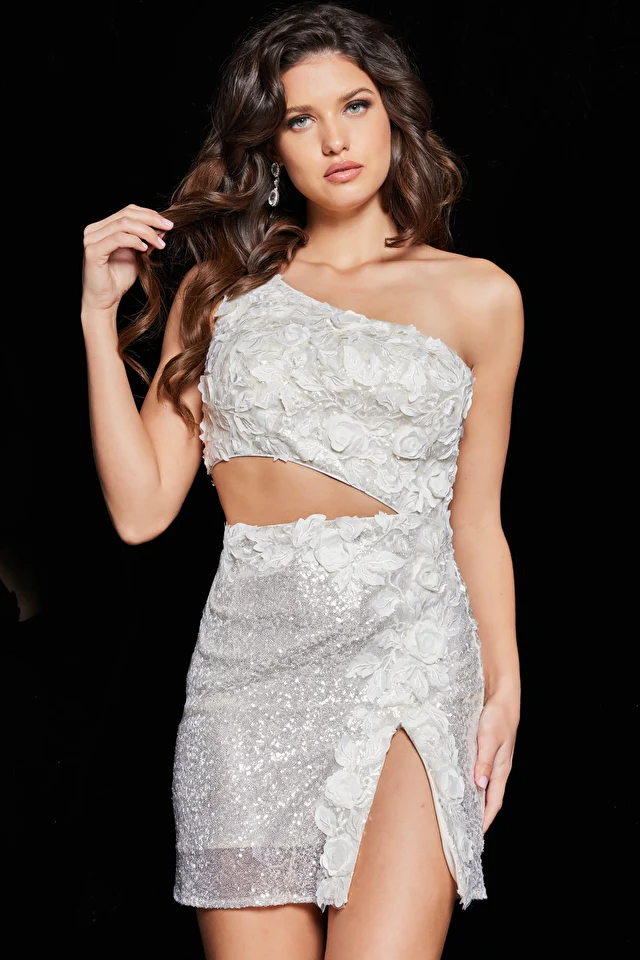
Cotton remains a classic choice for floral applique dresses. It is soft, breathable, and versatile, making it a perfect fabric for everyday wear and casual events. Cotton’s natural fibers allow for comfort without compromising structure, and its slightly textured finish provides a stable base for applique work.
Comfort & Breathability
One of cotton’s greatest strengths is its breathability. For warm weather, cotton dresses offer a cool, airy feel that allows the wearer to enjoy both comfort and style. Cotton’s softness against the skin ensures that even layered 3D applique designs remain wearable for long periods, ideal for garden parties or casual daytime events.
Texture & Style
Cotton floral applique dresses are typically slightly structured, allowing the applique details to hold their shape without sagging. The natural fiber provides a gentle texture, which enhances delicate designs without overwhelming them. From subtle embroidered flowers to larger, statement appliques, cotton accommodates a wide variety of styles.
Pros & Cons of Cotton
Pros:
- Durable and easy to maintain
- Comfortable for all-day wear
- Breathable and lightweight
- Suitable for casual or semi-formal occasions
Cons:
- Can wrinkle easily
- Less luxurious than silk
- May not drape as elegantly for formal evening gowns
Best Occasions for Cotton Applique
Cotton applique dresses shine in casual and summer settings. Think brunches, garden parties, daytime weddings, and casual outdoor gatherings. The fabric’s comfort and versatility make it ideal for anyone seeking a lightweight fabric dress that still has delicate applique details.
Linen Applique Dresses
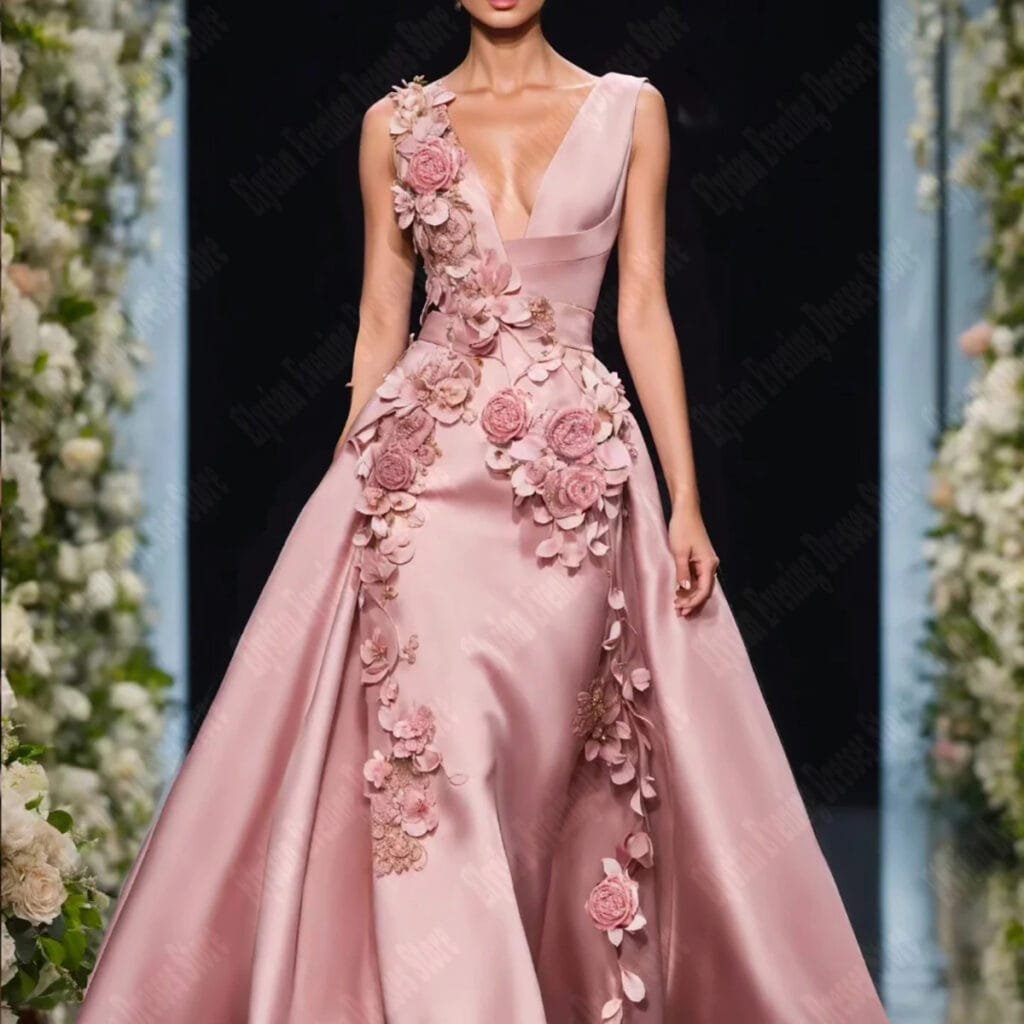
Linen is another popular choice for floral applique dresses, particularly for summer and spring wear. Known for its lightweight, breathable quality, linen creates an effortlessly chic, natural look. The slightly textured surface enhances applique designs, giving them an organic, airy feel.
Unique Linen Texture
Linen’s distinctive texture adds a tactile dimension to floral applique dresses. Unlike cotton’s smoother finish, linen provides a subtle natural grain that makes embroidered and 3D appliques pop. This characteristic is especially appealing for garden parties, beach weddings, and outdoor events, where linen’s breezy appearance complements the surroundings.
Seasonal Suitability
Because linen is highly breathable, it’s particularly suitable for hot weather and summer events. Linen applique dresses keep the wearer cool while maintaining elegance, making them ideal for daytime gatherings and casual yet stylish occasions.
Pros & Cons of Linen
Pros:
- Light and breathable for warm climates
- Eco-friendly and sustainable fabric
- Adds natural texture to applique designs
- Perfect for summer and spring
Cons:
- Prone to wrinkling
- Requires careful ironing for formal looks
- Less soft than cotton initially (though it softens over time)
Best Occasions for Linen Applique
Linen is perfect for outdoor weddings, beach ceremonies, and garden brunches. It complements natural, casual elegance, and when combined with applique, it elevates the dress to a sophisticated yet relaxed style.
Silk Applique Dresses
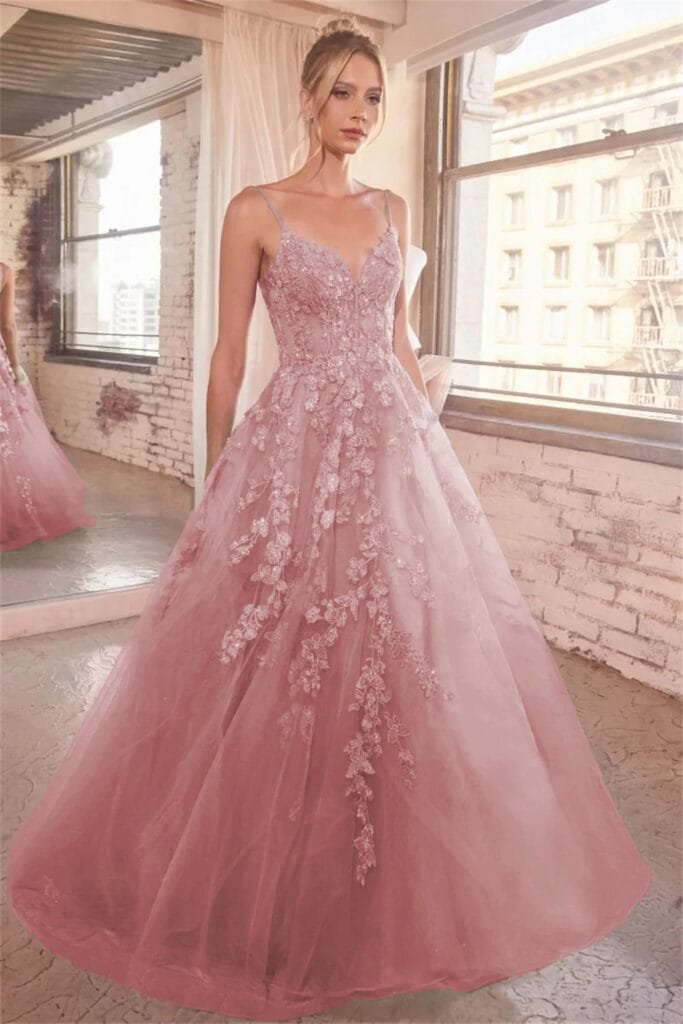
Silk represents the pinnacle of luxury and elegance in floral applique dresses. Its smooth, shiny texture allows appliques to stand out while draping beautifully over the body. Silk is particularly favored for formal occasions, where its flow, shine, and softness create a lasting impression.
Elegant Texture & Shine
Silk’s natural sheen gives floral applique dresses a refined, high-end look. The smooth surface allows intricate embroidery and 3D appliques to take center stage without competing with the fabric’s natural beauty. Silk enhances the luxury texture of floral gowns, making them ideal for evening events and weddings.
Comfort & Draping
Although silk is delicate, it is also lightweight and soft, offering comfortable all-day wear. Its flowing drape complements layered or oversized floral appliques, giving the dress movement and sophistication. Silk is also gentle on the skin, adding to the overall elegance of the design.
Pros & Cons of Silk
Pros:
- Luxurious and elegant appearance
- Smooth and soft against the skin
- Ideal for formal and evening events
- Excellent drape for flowing applique designs
Cons:
- Requires careful maintenance (hand wash or dry clean)
- More expensive than cotton or linen
- Prone to snags if handled roughly
Best Occasions for Silk Applique
Silk floral applique dresses are perfect for evening parties, weddings, gala events, and formal occasions. The luxurious feel and flowing silhouette make silk the ultimate choice when elegance and sophistication are paramount.
Comparing Cotton, Linen, and Silk Applique Dresses
Choosing between cotton, linen, and silk depends on a combination of comfort, style, occasion, and maintenance. Here’s a detailed comparison:
| Feature | Cotton Applique Dresses | Linen Applique Dresses | Silk Applique Dresses |
|---|---|---|---|
| Texture | Soft, slightly structured | Natural, textured, airy | Smooth, shiny, luxurious |
| Breathability | High | Very high | Medium |
| Comfort | Comfortable for all-day wear | Lightweight, cool | Soft, flowing |
| Occasions | Casual, semi-formal | Outdoor, garden, summer events | Formal, evening, weddings |
| Maintenance | Easy-care, washable | Wrinkle-prone, requires ironing | Delicate, hand wash or dry clean |
| Pros | Durable, versatile | Eco-friendly, natural feel | Elegant, luxurious, draping |
| Cons | Wrinkles easily, less luxurious | Prone to wrinkles, stiff initially | Expensive, delicate, snag-prone |
Choose cotton for everyday comfort and casual elegance. Choose linen for airy, natural summer style. Choose silk for luxury, formal events, and flowing silhouettes.
How to Choose the Perfect Fabric for Your Floral Applique Dress?
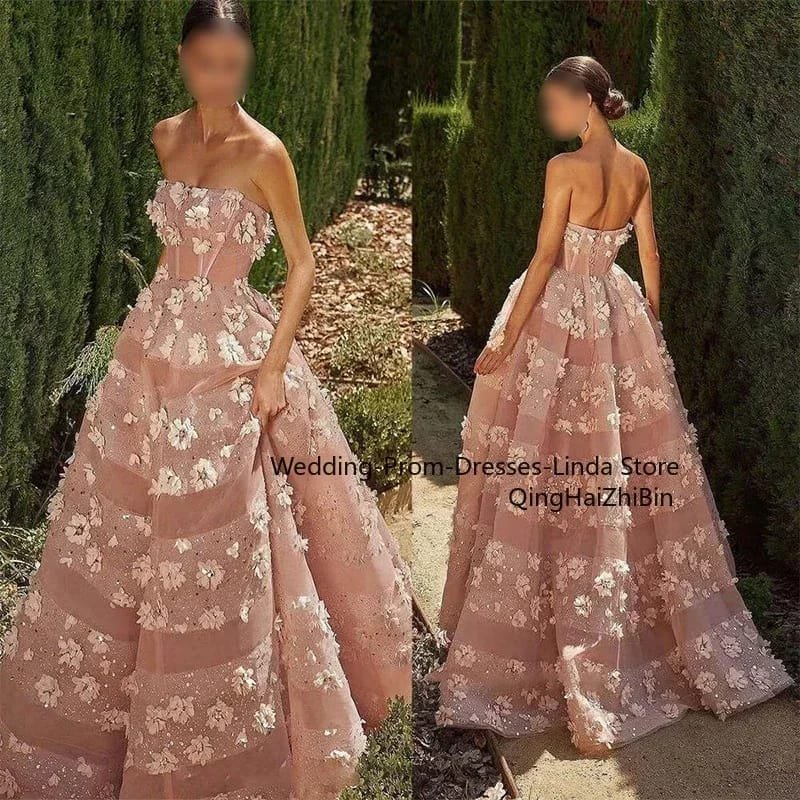
Selecting the right fabric for a floral applique dress is essential to achieving both visual elegance and practical comfort. The fabric not only affects the way the appliques sit and drape but also determines the dress’s suitability for different occasions, climates, and styling preferences. Understanding the characteristics of cotton, linen, and silk ensures the dress enhances the wearer’s look while remaining comfortable and functional.
Consider Your Comfort Preferences
Fabric choice directly impacts all-day wearability. Cotton offers soft, breathable comfort, making it ideal for prolonged wear or casual settings where ease of movement matters. Linen, with its natural fibers and airy texture, provides a cooling sensation and lightweight feel, perfect for outdoor or summer events. Silk, while luxurious and smooth, delivers a flowing silhouette that drapes gracefully, offering elegance and sophistication, though it requires mindful handling for comfort in warmer, humid conditions. Each fabric presents a distinct tactile experience that enhances the overall appeal of the applique design.
Match Fabric to Occasion
The type of event should guide fabric selection to balance style and practicality:
- Casual daytime events: Cotton or linen create approachable, elegant looks that maintain comfort.
- Summer outdoor gatherings: Linen’s breathability and natural texture ensure the dress remains cool and stylish.
- Evening parties, weddings, or gala events: Silk provides luxurious drape and shine, elevating floral appliques for a formal or semi-formal impression.
Choosing the right fabric aligns the dress with the occasion, enhancing the overall impact of the applique design while ensuring the wearer feels appropriate and confident.
Think About Climate & Season
Environmental factors play a crucial role in fabric performance. Cotton and linen excel in warm weather, allowing airflow and moisture absorption that keeps the wearer comfortable. Linen’s lightweight quality is especially beneficial for summer and spring, while cotton offers versatility for transitional seasons. Silk, though suitable year-round, may feel warmer in high humidity and is better suited for controlled indoor environments or cooler evenings. Matching fabric to climate ensures the dress maintains its shape, texture, and appeal throughout wear.
Focus on Applique Details
The intricacy and size of floral appliques should influence fabric choice. Cotton and linen provide stable support for delicate, layered, or small applique designs, allowing them to retain structure without overwhelming the dress. Silk, with its smooth and flowing nature, enhances larger, more dramatic appliques, adding movement and dimension. Considering the interplay between fabric and applique ensures that the embellishments stand out effectively, achieving both aesthetic and structural harmony.
Explore Mixed Fabrics
Blended fabrics offer the benefits of multiple fibers, combining comfort, texture, and elegance. Examples include cotton-linen blends, which balance breathability with a subtle structure, or silk-cotton mixes, which integrate silk’s sheen and drape with cotton’s stability. Mixed fabrics allow for versatile styling options, making floral applique dresses suitable for a wider range of occasions and climates while maintaining the integrity of the applique design.
Selecting the perfect fabric requires balancing comfort, occasion suitability, climate, and applique intricacy. By understanding the unique properties of cotton, linen, silk, and their blends, a floral applique dress can achieve its full potential, offering both style and practicality.
Caring for Your Floral Applique Dress
Floral applique dresses are delicate pieces that combine intricate embellishments with the unique qualities of their fabrics. Proper care is essential not only to preserve the vibrancy and structure of the appliques but also to maintain the longevity of the fabric itself. Each material—cotton, linen, and silk—requires specific attention to ensure that both the dress and the applique details remain flawless over time.
Caring for Cotton Applique Dresses
Cotton is durable and generally easy to maintain, making it the most forgiving fabric for applique dresses. Machine washing on a gentle cycle or hand washing is recommended to prevent excessive wear on the applique threads. Ironing can restore a crisp, polished look, but it should be done on the reverse side of the fabric to avoid flattening or damaging delicate 3D appliques. Using mild detergents preserves the softness of the cotton fibers and prevents fading of any colored embroidery.
Caring for Linen Applique Dresses
Linen’s natural texture and breathability require more careful handling. Hand washing or a gentle machine cycle is ideal to maintain both the fabric’s structure and the integrity of the appliques. Linen naturally softens over time, which enhances comfort, but ironing may be necessary to maintain a neat appearance, especially for formal or semi-formal settings. Always iron while the fabric is slightly damp and use a pressing cloth to protect raised floral details.
Caring for Silk Applique Dresses
Silk demands the most delicate care. Hand washing with a gentle detergent or professional dry cleaning is recommended to maintain the fabric’s sheen and the precision of the appliques. Avoid rough surfaces or friction during washing and storage, as silk fibers are prone to snagging. Special attention should be paid to avoid overexposure to water or harsh chemicals, which can compromise both the fabric and the embroidered floral designs.
Additional Care Tips for All Fabrics
- Storage: Store dresses flat or on padded hangers to preserve shape and prevent stretching.
- Sunlight Protection: Keep garments away from direct sunlight to avoid color fading, especially for delicate or vibrant applique designs.
- Handling 3D Appliques: Handle gently during washing, storage, and ironing to prevent flattening or tearing of intricate details.
- Maintenance Routine: Regular inspection for loose threads or minor damage allows for early repairs, ensuring the longevity of the dress.
Proper care tailored to the fabric type preserves both the beauty of the floral appliques and the dress’s structure. By following fabric-specific washing, storage, and handling practices, these intricate garments can remain vibrant, elegant, and wearable for years, retaining their unique charm and luxurious appeal.
FAQs: Cotton Vs Linen Vs Silk Applique
Choosing the right fabric for floral applique dresses often raises questions about comfort, maintenance, and styling. The answers below provide expert insights to help make informed decisions while preserving both the beauty of the appliques and the longevity of the fabric.
Are cotton floral applique dresses suitable for weddings?
Cotton applique dresses are ideal for casual or daytime weddings, particularly outdoor ceremonies. Their soft, breathable texture provides comfort for prolonged wear, while the structured yet flexible fabric supports delicate 3D appliques, maintaining the dress’s elegance throughout the event. Cotton allows for easy movement and effortless style, making it a practical choice without compromising sophistication.
Can linen applique dresses be worn in cooler seasons?
Although linen is celebrated for its lightweight and breathable qualities, it can be adapted for transitional weather. Layering a linen applique dress with a tailored jacket, shawl, or cardigan preserves warmth while maintaining style. This versatility allows linen dresses to transition from summer events to spring or early autumn occasions, combining comfort with natural textured appeal.
How can silk applique dresses be protected from snagging?
Silk requires careful handling due to its delicate fibers. To prevent snags: avoid sharp jewelry or rough surfaces, always hand wash with gentle detergent or opt for professional dry cleaning, and store the dress away from friction or crowded hangers. These precautions ensure the appliques and fabric retain their luxurious appearance, smooth drape, and intricate 3D details over time.
Which fabric is best for 3D floral applique designs?
All three fabrics support 3D applique, but each offers a distinct effect:
- Silk enhances luxury, shine, and flowing drape, ideal for dramatic appliques or formal gowns.
- Cotton provides structure, keeping delicate or layered applique designs stable and well-defined.
- Linen adds natural texture, giving appliques an airy, organic look that suits casual or outdoor settings.
Conclusion
Fleurique believes that floral applique dresses are defined not only by their delicate 3D designs but also by the choice of fabric. Cotton, linen, and silk applique offer unique experiences: cotton for comfort and casual charm, linen for airy summer elegance, and silk for luxurious sophistication.
Understanding differences in texture, breathability, drape, and occasion helps select the perfect dress for any event, from garden brunches to evening galas. Explore the collection at FloralAppliqueDress.com and find the ideal blend of fabric and artistry to make every moment unforgettable.